
Cool Room Basics: What Business Owners Should Know
Cool rooms are essential for many businesses, but they are often taken for granted. Here is what every owner should know.
Cool rooms are a core part of many food and retail businesses, yet how they work is rarely explained. Knowing the basics helps you use the space well and recognise when something is not right.
This post covers how a cool room works, what affects its performance, everyday habits that help and when to call a refrigeration technician.
What Is a Cool Room and How Does It Work?
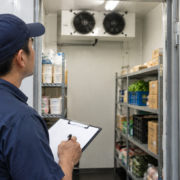
A cool room is an insulated space kept cold by a refrigeration system, commonly used by cafes, restaurants, supermarkets, florists and caterers to store products in larger quantities. Like an air conditioner, the refrigeration system removes heat rather than creating cold. An evaporator inside the room absorbs heat from the air, while a condensing unit releases that heat outside.
Freezer rooms work in a similar way but maintain much lower temperatures, with insulation, equipment and controls designed to suit the required temperature range. Good insulation helps keep the temperature stable, especially when the door stays closed and the system is working properly.
Cool rooms can be built to fit a specific space or supplied as modular panels assembled on site. The best option depends on the available space, storage needs and whether the room may need to be expanded or relocated in the future.
Everyday Habits That Help
Simple daily habits can help keep a cool room running efficiently. Keep the door closed as much as possible, avoid leaving it open during deliveries or stocktakes, and arrange products neatly to allow air to circulate. Avoid blocking the evaporator, and check the temperature display regularly so unusual changes can be reported early.
It is also important to clean up spills promptly, keep floors and door seals clean, and report damaged seals, heavy ice build-up or standing water. Staff training can help everyone understand how to load the room correctly, why the door should stay closed and who to contact if something seems wrong. A sign near the door or a simple checklist can help maintain these habits, even with new or seasonal staff.
When to Call a Refrigeration Technician
A cool room that struggles to maintain its temperature, makes unusual noises, develops heavy ice build-up or leaks water may need professional attention. A system that runs constantly or suddenly performs differently should also be checked.
Refrigerant handling and electrical repairs require appropriate training and licensing, so these tasks should be left to a licensed refrigeration technician. Acting early can help prevent unexpected breakdowns, costly repairs and stock losses, while regular maintenance can identify problems before they become urgent.
Keep your technician’s contact details somewhere staff can easily find them, and have a plan for moving stock if the room stops working. Knowing where products can be stored temporarily can reduce disruption while repairs are arranged. A technician can also recommend a maintenance schedule suited to your equipment and business needs.
To discuss servicing or advice for your commercial refrigeration needs, contact WCA HVAC&R or view our refrigeration services.
