
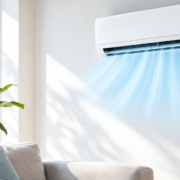
How to Improve the Energy Efficiency of Your Air Conditioning
Small changes to how you use and look after your air conditioner can help reduce its energy use and keep your space comfortable.
Running your air conditioner efficiently does not always mean replacing your existing system. In many cases, a few changes to how you use and maintain the unit can reduce its workload and make your space more comfortable, particularly during the hottest months.
This post covers four practical areas: choosing an efficient system, using your thermostat and fans sensibly, reducing the heat that enters your room, and keeping airflow clear and your system maintained.
Choose an Energy-Efficient System
Choosing an energy-efficient air conditioner can help reduce electricity use and keep your home comfortable. If you are buying a new unit in Australia, check the energy rating label to compare different models. Generally, a higher star rating means the unit uses less electricity to provide the same level of cooling. However, efficiency is not the only factor to consider. Choosing the right size is just as important, as an undersized unit may struggle to cool the room, while an oversized one may switch on and off too frequently. The best option depends on the room’s size, insulation, and how you use the space.
You should also consider which type of system suits your needs, whether it is a split system for an individual room or a ducted system for cooling multiple areas. If you are unsure which model to choose, a qualified technician or supplier can help assess your space, explain the energy rating, and recommend a suitable air conditioner.
Use Your Thermostat and Fans Sensibly
Using your thermostat and fans wisely can help keep your home comfortable while reducing energy consumption. Setting your air conditioner to a comfortable temperature instead of the lowest possible setting helps prevent the system from working harder than necessary. It is also best to avoid making frequent, large changes to the temperature. Ceiling fans and portable fans can help circulate air around the room, making it feel cooler and allowing you to maintain comfort at a slightly higher thermostat setting. However, remember to turn fans off when you leave the room, as they cool people rather than the air itself.
You can also use your air conditioner’s timer or sleep settings to avoid running the unit when it is not needed. If your system has an energy-saving or eco mode, consider using it to help reduce unnecessary electricity use. Since these features vary between models, check your owner’s manual to understand how they work and how to use them effectively.
Reduce Heat Entering the Room
Reducing the amount of heat entering a room can help your air conditioner cool the space more efficiently. Direct sunlight through windows can quickly warm up a room, so closing curtains or blinds during the hottest part of the day can help keep indoor temperatures down. External shading, such as awnings, can provide even better protection from the sun. It is also important to keep doors and windows closed while the air conditioner is running to prevent cool air from escaping and warm air from entering. Sealing gaps around doors and windows can further improve efficiency, while closing off unused rooms may help if your system is designed to accommodate it. Proper insulation in ceilings and walls also helps keep heat out, making your home more comfortable and reducing the workload on your air conditioner.
If you are unsure about your property’s insulation, an insulation specialist can assess it and recommend improvements. You can also make the most of cooler evenings by opening windows to let fresh air in, then closing them before outdoor temperatures rise again. These simple habits can help reduce the amount of cooling your air conditioner needs to provide.
Keep Airflow Clear and Your System Maintained
Keeping your air conditioner’s airflow clear and maintaining the system regularly can help it cool your home efficiently. Dirty or clogged filters restrict airflow, reducing cooling performance and forcing the unit to work harder. Cleaning or replacing filters according to the manufacturer’s recommendations is one of the easiest ways to keep your air conditioner in good condition. You should also make sure that furniture and curtains do not block indoor vents or units, and keep the area around the outdoor unit free from leaves, debris, and other obstructions.
Regular servicing by a qualified technician can help identify worn components and potential problems before they affect performance. If your air conditioner still struggles to cool your home after these basic checks, it may need a professional inspection. It is also a good idea to check the filters and schedule servicing before summer begins, when cooling demand is usually higher.
This helps ensure your system is ready for warmer weather and gives a technician the opportunity to check whether it is operating properly for its age.
If you would like help improving the efficiency of your system, contact WCA HVAC&R to discuss our air conditioning services or advice on choosing a suitable system for your space.