common-air-conditioning-problems-and-how-to-identify-them

Common Air Conditioning Problems and How to Identify Them

An air conditioner usually shows warning signs before it fails. Here are the most common problems and how to recognise them.

When an air conditioner stops working as expected, the cause is not always obvious. Some problems have simple explanations, while others need a professional to diagnose.

This guide covers four areas: an air conditioner that is not cooling properly, weak airflow, unusual noises, smells or leaks, and some safe checks you can make before you call for help.


Air Conditioner Not Cooling Properly

If your air conditioner is running but not cooling as it should, start by checking the mode and temperature settings. Dirty filters, blocked vents, or debris around the outdoor unit can also restrict airflow and reduce cooling performance. If these checks do not help, the problem may involve the fan, controls, refrigerant system, or the unit’s capacity for the space.

Pay attention to when the problem occurs. If the system struggles only on very hot days, heat entering the room or an undersized unit may be contributing factors. If it consistently takes too long to cool, there may be an airflow issue or a developing fault. Sharing these details with a technician can help them identify the cause.


Weak Airflow From the Vents

Weak airflow is often caused by dirty filters or obstructions around the indoor unit and air vents. Clean or replace the filters according to the manufacturer’s recommendations, and move furniture or curtains away from the vents.

For ducted systems, weak airflow in certain rooms may indicate an issue with the ductwork or zone settings. Check the outdoor unit for leaves and debris that could restrict airflow, switching the system off before clearing the surrounding area. If airflow does not improve after these basic checks, a technician may need to inspect the fan or other components.


Unusual Noises, Smells or Water Leaks

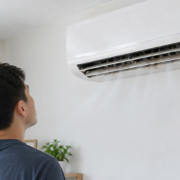
While some humming and clicking sounds are normal, new noises such as rattling, grinding, banging, or squealing may indicate a problem. Unusual smells should also be checked, particularly musty odours that may point to moisture build-up. If you notice a burning smell, switch the unit off and arrange a professional inspection before using it again.

Water leaking around the indoor unit may be caused by a blocked drain line, a damaged drain pan, or another fault. Although some cracking sounds can occur as materials expand and contract, persistent or worsening noises should not be ignored. If you notice unusual sounds, smells, or leaks, have the system checked before the problem gets worse.


Safe Checks to Try Before You Call

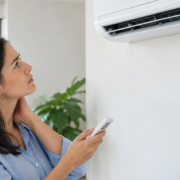
Before contacting a technician, check that your air conditioner is set to the correct mode and temperature, and make sure the remote control has working batteries. Inspect the filters and clean or replace them as recommended, then ensure the vents and areas around both units are clear.

If the system will not turn on, check whether the circuit breaker has tripped. If it trips again after being reset, stop using the system and contact a qualified technician. Avoid opening electrical panels or handling refrigerant yourself, as these tasks require appropriate training and licensing.

Keep a note of any problems you notice, including unusual noises, cooling changes, or the condition of the filters. A short video of an unfamiliar sound can also help your technician understand the issue before arriving.


If a problem persists after these simple checks, or you are unsure what is causing it, contact WCA HVAC&R for professional assistance with your air conditioning system.

when-is-the-best-time-to-service-your-air-conditioner

When Is the Best Time to Service Your Air Conditioner?

Knowing when to service your air conditioner can help you catch small issues before they become bigger, more disruptive ones.

Air conditioners work hard to keep indoor spaces comfortable, particularly during long stretches of hot weather. Like any machine that runs regularly, they benefit from being checked at sensible intervals.

This post explains the best times to arrange a service, the signs that one is overdue, how often servicing is usually recommended and what a typical service involves.


Before the Weather Gets Too Hot

The best time to service your air conditioner is before summer, when the system is about to work harder to keep your home or business comfortable. Early servicing helps identify potential problems before they cause a breakdown and makes it easier to book an appointment before service providers get busy. If you use reverse-cycle heating, arrange a service before winter as well. Scheduling maintenance at the same time each year, such as in spring, helps keep your system ready for the changing seasons.


When You Notice Changes in Performance

You should arrange an air conditioner service whenever you notice changes in its performance. Weak airflow, uneven cooling, unusual noises, unpleasant smells, or water around the indoor unit can indicate a developing problem. Addressing these signs early may prevent more serious faults and unexpected breakdowns. Keep a note of when the issue started and what you observed, as this information can help your technician identify the cause more easily.


How Often Should You Service Your Air Conditioner?

How often your air conditioner needs servicing depends on its type, usage, operating environment, and the manufacturer’s recommendations. For many homes, an annual service is a common starting point, while heavily used systems and those in dusty or commercial environments may need more frequent attention. Check your owner’s manual and warranty conditions for recommended intervals, and ask a qualified technician to suggest a suitable maintenance schedule. Keeping service records and receipts organised can also help you meet warranty requirements.


What Happens During an Air Conditioning Service?

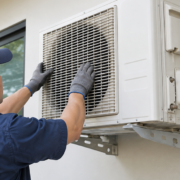
An air conditioning service involves inspecting the system and checking that it operates properly. A technician will typically check the filters, indoor and outdoor units, drainage, airflow, electrical connections, and controls. If they identify a fault or worn component, they can explain the issue and discuss the next steps. Before your appointment, mention any unusual noises, smells, or cooling problems you’ve noticed. You can also ask how well your system is performing and what you can do between services to keep it in good condition.

If you would like to discuss your system’s maintenance requirements or arrange a service at a time that suits you, contact WCA HVAC&R or see our air conditioning services.


why-regular-commercial-refrigeration-maintenance-matters-for-your-business

Why Regular Commercial Refrigeration Maintenance Matters for Your Business

Refrigeration equipment works around the clock. Regular maintenance helps keep it running reliably and avoids unexpected disruption to your business.

For many businesses, refrigeration is not optional. Display fridges, cool rooms and freezers run all day and night, and the stock inside them depends on them working properly. When something goes wrong, the effects can reach well beyond the equipment itself.

This post looks at why regular maintenance matters, covering which equipment needs attention, keeping temperatures consistent, spotting faults early and planning maintenance around your trading hours.


Know Which Equipment Needs Regular Attention

Commercial refrigeration includes a variety of equipment, such as display fridges and freezers in retail stores, under-bench and upright units in commercial kitchens, and walk-in cool rooms and freezer rooms in cafes, restaurants, supermarkets, and warehouses. Each type of equipment has components that can wear out over time, including compressors, fans, door seals, controls, and condenser and evaporator coils. Since these systems often operate for long hours, even minor issues can develop into bigger problems if left unchecked. 

A good way to stay on top of maintenance is to create a list of all the refrigeration equipment in your business, noting each unit’s age and last service date. This makes it easier to schedule maintenance and identify units that may need extra attention. Some equipment also requires more frequent checks than others, particularly display units that are opened constantly, refrigeration systems located near ovens or in hot kitchens, and units installed in poorly ventilated areas. Paying closer attention to these systems can help maintain reliable performance and reduce the risk of unexpected breakdowns.


Keep Temperatures Consistent

Maintaining consistent temperatures is essential for reliable commercial refrigeration. When a fridge or freezer struggles to maintain its set temperature, the quality and safety of the products stored inside may be affected, potentially leading to waste and additional costs. Regular maintenance helps keep the equipment operating as intended by allowing technicians to check the temperature controls, ensure proper airflow, and identify any performance issues. For food businesses, it is also important to understand the temperature requirements that apply to their operations, as these may vary depending on the products being stored and local regulations. Keeping a simple log of temperature readings can help you spot unusual changes early and provide useful information to a technician if a problem occurs. 

Consistent temperatures also help the equipment operate more efficiently, as systems that constantly struggle to maintain the correct conditions may consume more energy and experience greater wear. By keeping components such as coils clean and door seals in good condition, you can help your refrigeration equipment maintain stable temperatures and reduce unnecessary strain on the system.


Spot Wear and Developing Faults Early

Many commercial refrigeration problems show warning signs before the equipment breaks down completely. Unusual noises, systems that run continuously, excessive ice build-up, or water pooling around a unit can indicate an issue that needs attention. Door seals are another common source of problems, as worn or damaged seals allow warm air to enter and force the equipment to work harder to maintain the correct temperature. Regularly checking that doors close properly and seals remain intact can help prevent unnecessary strain on the system. Dust, grease, and debris can also accumulate on condenser coils, restricting airflow and making it harder for the equipment to release heat. Keeping the area around each unit clear and including coil cleaning in routine servicing can help maintain proper operation. 

Addressing these issues early is generally less disruptive and costly than dealing with an unexpected breakdown during a busy trading period. Staff can also play an important role in identifying problems by reporting changes such as unusual noises, warmer-than-normal cabinets, or other signs of poor performance as soon as they appear. Prompt reporting allows issues to be investigated before they develop into more serious faults.


Plan Maintenance Around Your Operations

Planning refrigeration maintenance around your business operations can help minimise disruptions and reduce the risk of unexpected breakdowns. Scheduling servicing outside peak trading periods allows technicians to carry out their work with less impact on staff and customers. It is also important to consider when your equipment is likely to face the highest demand, such as during holidays, seasonal events, or hot weather. 

Having your refrigeration systems inspected beforehand can help identify potential issues before they affect your business. Working with a refrigeration provider to establish a regular maintenance schedule also makes servicing easier to manage and creates a service history for each unit. Your staff can contribute by keeping refrigerator doors closed, ensuring vents remain clear, and reporting unusual noises or temperature changes as soon as they notice them. 

Planned maintenance can also make expenses more predictable, as scheduled servicing is generally easier to budget for than emergency repairs. It gives you more time to arrange alternative storage if a unit needs to be temporarily taken out of service, which is especially important for businesses with limited backup refrigeration options.


If you would like to discuss a maintenance plan suited to your refrigeration equipment and the way your business operates, contact WCA HVAC&R or view our refrigeration services.


what-to-consider-before-buying-a-new-air-conditioner

What to Consider Before Buying a New Air Conditioner

The right air conditioner depends on your space, not just the brand or the price. Here is what to weigh up before you buy.

Choosing an air conditioner involves more than comparing prices or picking a familiar brand. The right system needs to suit your space, cool it appropriately and fit the way you live or run your business.

If you are still deciding between system types, our guide to the different types of air conditioners explains the main options. This post focuses on four things to consider before you buy: size, energy efficiency, installation and budget.


Consider the Size of the Space

Choosing the right air conditioner capacity for your space is essential for effective cooling and comfort. A unit that is too small may struggle to cool the room and run for long periods, while an oversized unit may cool the space too quickly and switch on and off more frequently than necessary, affecting comfort and efficiency. However, choosing the right size involves more than measuring the room. Factors such as ceiling height, sunlight exposure, window size, insulation, and open-plan layouts can all affect how much cooling is needed. The room’s purpose also matters, as kitchens, home offices with electronic equipment, and spaces with many people tend to generate more heat than bedrooms. 

To ensure you choose the right unit, a qualified technician can assess these factors and recommend a suitable capacity rather than relying on general sizing estimates alone. If you are replacing an existing air conditioner, remember that the same capacity may no longer be appropriate, especially if you have renovated the space, installed new windows, or changed how the room is used.


Think About Energy Efficiency and Running Costs

When choosing an air conditioner, it is important to consider not only the purchase price but also the ongoing cost of running it. Electricity use can add up over the years, making energy efficiency an important factor when comparing different models. In Australia, energy rating labels use a star system to help buyers compare efficiency, with higher ratings generally indicating more efficient units of a similar size and type. 

Features such as inverter technology and programmable timers may also help reduce energy consumption, depending on the model and how it is used. Before making a decision, check the product specifications and ask the supplier to explain any features you are unsure about. Keep in mind that your energy costs also depend on how you use the air conditioner and the conditions of your home, as poor shading and insulation can increase the amount of cooling needed. To make a more informed choice, ask the supplier for an estimate of the unit’s running costs based on your expected usage. Understanding how the estimate was calculated will help you compare different models more accurately and choose one that suits your needs and budget.


Consider Installation Requirements

Proper installation plays an important role in how well an air conditioner performs. The indoor unit should be placed in a location that allows cool air to circulate freely throughout the room, while the outdoor unit needs enough space around it for proper airflow. You should also consider practical requirements such as the electrical supply, the distance between the two units, access for future maintenance, and space for ductwork if you are installing a ducted system. If you live in an apartment or rental property, check with your body corporate or landlord first, as there may be restrictions on outdoor unit placement or modifications to the property. 

To ensure safe installation and proper operation, always hire a suitably licensed technician. Noise is another factor worth considering, as both indoor and outdoor units produce sound while running. Choosing suitable locations away from bedrooms, living areas, and neighbouring properties can help minimise noise and make your air conditioning system more comfortable to live with.


Balance Your Budget With Long-Term Needs

When choosing an air conditioner, it is important to balance your budget with your long-term needs rather than focusing only on the initial purchase price. A cheaper unit may not offer the best value if it is unsuitable for your space or uses more electricity than expected. To make a well-informed decision, compare quotes based on the total cost, including the unit, installation, warranty coverage, expected running costs, and ongoing maintenance. You should also consider how long you plan to stay in the property and how often you will use the system. For example, investing in a more efficient unit may be worthwhile for a family home where the air conditioner runs frequently, while a more affordable option may be sufficient for a spare room that only needs occasional cooling. 

Getting quotes from several providers and asking them to explain their recommendations can help you compare your options with confidence. Finally, remember to budget for regular servicing, filter replacements, and repairs that may not be covered by the warranty. Understanding what the warranty includes and how long it lasts can also help you avoid unexpected expenses in the future.

If you would like help working out what suits your property, contact WCA HVAC&R to discuss suitable air conditioning options and installation requirements.


how-does-air-conditioning-work-a-simple-guide

How Does Air Conditioning Work? A Simple Guide

Air conditioners cool by moving heat out of a room, not by making cold air. Here is how the process works in plain language.

Most of us use air conditioning without giving much thought to what happens inside the unit. Understanding the basics can help you use your system more effectively and recognise when something may not be working as it should.

This guide explains how an air conditioner cools a room, the main components involved, how heat is moved outdoors, and why filters and airflow matter.


How an Air Conditioner Cools a Room

An air conditioner works by removing heat from the air inside your room and releasing it outdoors. The cooled air then circulates back into the room, helping maintain a comfortable temperature. A thermostat monitors the room’s temperature and controls when the unit turns on or off to keep it close to your preferred setting. As the air cools, the system also removes some moisture from the air, which drains away through a small pipe. If you have a reverse-cycle air conditioner, the process can work in reverse during colder weather by drawing heat from the outdoor air and transferring it indoors. This allows the same unit to provide both cooling and heating throughout the year.


The Main Components of an Air Conditioning System

A typical split-system air conditioner consists of an indoor unit and an outdoor unit connected by pipes. These units work together using four main components: the evaporator, compressor, condenser, and refrigerant. The evaporator coil is located inside the indoor unit, where it absorbs heat from the warm air in the room. The compressor, found in the outdoor unit, circulates the refrigerant through the system and increases its pressure, allowing it to release the absorbed heat. The condenser coil then releases this heat into the outdoor air with the help of a fan. Throughout this process, the refrigerant changes between liquid and gas, allowing it to transfer heat efficiently. Because handling refrigerant requires specialised training and licensing, this work should always be carried out by a qualified technician.

Air conditioners also come in different designs to suit various spaces and needs. Indoor units may be wall-mounted, floor-mounted, or installed as ceiling cassettes, while ducted systems use a central unit to distribute conditioned air to multiple rooms through a network of ducts.


How Heat Is Transferred Outdoors

An air conditioner cools a room through a continuous process called the refrigeration cycle. It begins when liquid refrigerant enters the evaporator and absorbs heat from the indoor air, causing it to turn into a gas. The compressor then increases the gas’s pressure and temperature before sending it to the condenser in the outdoor unit. There, a fan blows air across the coil, allowing the refrigerant to release the heat outdoors and turn back into a liquid.

The refrigerant then passes through a component that lowers its pressure, preparing it to absorb heat again and repeat the cycle. This same basic process is used in refrigerators and cool rooms, which rely on similar technology to keep spaces and items cool. The cycle continues while the air conditioner is running, with the system’s controls adjusting the compressor and fan speeds to maintain a comfortable indoor temperature. Many modern air conditioners can vary their output as needed instead of simply switching fully on or off, helping keep the room temperature more consistent.


Why Air Filters and Airflow Matter

Proper airflow is essential for an air conditioner to work efficiently. The filters capture dust and other particles before they reach the evaporator coil, helping protect the system and keep indoor air cleaner. However, when filters become clogged, airflow is reduced, which can affect cooling performance and force the unit to work harder. Blocked vents, closed doors, and furniture placed in front of the indoor unit can also restrict airflow. Keeping the areas around both the indoor and outdoor units clear helps the system operate properly.

One of the simplest ways to maintain good airflow is to clean or replace the filters according to the manufacturer’s recommendations. Regular professional servicing is also important because some components are difficult to access and clean yourself. Dust-covered coils and blocked outdoor units can further affect the system’s ability to absorb and release heat, reducing its overall performance. If you are unsure how to clean your air conditioner’s filters, check the owner’s manual or ask a qualified technician for guidance.

Understanding how your system works makes it easier to look after. If you need help with your air conditioning, contact WCA HVAC&R to discuss our servicing, repairs and installation.


how-to-improve-the-energy-efficiency-of-your-air-conditioning

How to Improve the Energy Efficiency of Your Air Conditioning

Small changes to how you use and look after your air conditioner can help reduce its energy use and keep your space comfortable.

Running your air conditioner efficiently does not always mean replacing your existing system. In many cases, a few changes to how you use and maintain the unit can reduce its workload and make your space more comfortable, particularly during the hottest months.

This post covers four practical areas: choosing an efficient system, using your thermostat and fans sensibly, reducing the heat that enters your room, and keeping airflow clear and your system maintained.


Choose an Energy-Efficient System

Choosing an energy-efficient air conditioner can help reduce electricity use and keep your home comfortable. If you are buying a new unit in Australia, check the energy rating label to compare different models. Generally, a higher star rating means the unit uses less electricity to provide the same level of cooling. However, efficiency is not the only factor to consider. Choosing the right size is just as important, as an undersized unit may struggle to cool the room, while an oversized one may switch on and off too frequently. The best option depends on the room’s size, insulation, and how you use the space. 

You should also consider which type of system suits your needs, whether it is a split system for an individual room or a ducted system for cooling multiple areas. If you are unsure which model to choose, a qualified technician or supplier can help assess your space, explain the energy rating, and recommend a suitable air conditioner.


Use Your Thermostat and Fans Sensibly

Using your thermostat and fans wisely can help keep your home comfortable while reducing energy consumption. Setting your air conditioner to a comfortable temperature instead of the lowest possible setting helps prevent the system from working harder than necessary. It is also best to avoid making frequent, large changes to the temperature. Ceiling fans and portable fans can help circulate air around the room, making it feel cooler and allowing you to maintain comfort at a slightly higher thermostat setting. However, remember to turn fans off when you leave the room, as they cool people rather than the air itself. 

You can also use your air conditioner’s timer or sleep settings to avoid running the unit when it is not needed. If your system has an energy-saving or eco mode, consider using it to help reduce unnecessary electricity use. Since these features vary between models, check your owner’s manual to understand how they work and how to use them effectively.


Reduce Heat Entering the Room

Reducing the amount of heat entering a room can help your air conditioner cool the space more efficiently. Direct sunlight through windows can quickly warm up a room, so closing curtains or blinds during the hottest part of the day can help keep indoor temperatures down. External shading, such as awnings, can provide even better protection from the sun. It is also important to keep doors and windows closed while the air conditioner is running to prevent cool air from escaping and warm air from entering. Sealing gaps around doors and windows can further improve efficiency, while closing off unused rooms may help if your system is designed to accommodate it. Proper insulation in ceilings and walls also helps keep heat out, making your home more comfortable and reducing the workload on your air conditioner. 

If you are unsure about your property’s insulation, an insulation specialist can assess it and recommend improvements. You can also make the most of cooler evenings by opening windows to let fresh air in, then closing them before outdoor temperatures rise again. These simple habits can help reduce the amount of cooling your air conditioner needs to provide.


Keep Airflow Clear and Your System Maintained

Keeping your air conditioner’s airflow clear and maintaining the system regularly can help it cool your home efficiently. Dirty or clogged filters restrict airflow, reducing cooling performance and forcing the unit to work harder. Cleaning or replacing filters according to the manufacturer’s recommendations is one of the easiest ways to keep your air conditioner in good condition. You should also make sure that furniture and curtains do not block indoor vents or units, and keep the area around the outdoor unit free from leaves, debris, and other obstructions. 

Regular servicing by a qualified technician can help identify worn components and potential problems before they affect performance. If your air conditioner still struggles to cool your home after these basic checks, it may need a professional inspection. It is also a good idea to check the filters and schedule servicing before summer begins, when cooling demand is usually higher.

This helps ensure your system is ready for warmer weather and gives a technician the opportunity to check whether it is operating properly for its age.

If you would like help improving the efficiency of your system, contact WCA HVAC&R to discuss our air conditioning services or advice on choosing a suitable system for your space.