
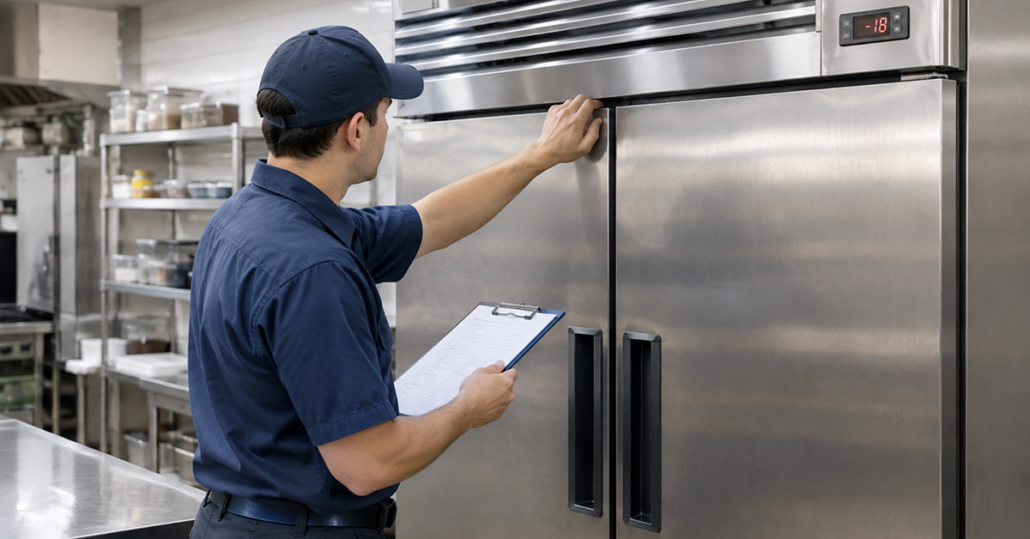
Why Regular Commercial Refrigeration Maintenance Matters for Your Business
Refrigeration equipment works around the clock. Regular maintenance helps keep it running reliably and avoids unexpected disruption to your business.
For many businesses, refrigeration is not optional. Display fridges, cool rooms and freezers run all day and night, and the stock inside them depends on them working properly. When something goes wrong, the effects can reach well beyond the equipment itself.
This post looks at why regular maintenance matters, covering which equipment needs attention, keeping temperatures consistent, spotting faults early and planning maintenance around your trading hours.
Know Which Equipment Needs Regular Attention
Commercial refrigeration includes a variety of equipment, such as display fridges and freezers in retail stores, under-bench and upright units in commercial kitchens, and walk-in cool rooms and freezer rooms in cafes, restaurants, supermarkets, and warehouses. Each type of equipment has components that can wear out over time, including compressors, fans, door seals, controls, and condenser and evaporator coils. Since these systems often operate for long hours, even minor issues can develop into bigger problems if left unchecked.
A good way to stay on top of maintenance is to create a list of all the refrigeration equipment in your business, noting each unit’s age and last service date. This makes it easier to schedule maintenance and identify units that may need extra attention. Some equipment also requires more frequent checks than others, particularly display units that are opened constantly, refrigeration systems located near ovens or in hot kitchens, and units installed in poorly ventilated areas. Paying closer attention to these systems can help maintain reliable performance and reduce the risk of unexpected breakdowns.
Keep Temperatures Consistent
Maintaining consistent temperatures is essential for reliable commercial refrigeration. When a fridge or freezer struggles to maintain its set temperature, the quality and safety of the products stored inside may be affected, potentially leading to waste and additional costs. Regular maintenance helps keep the equipment operating as intended by allowing technicians to check the temperature controls, ensure proper airflow, and identify any performance issues. For food businesses, it is also important to understand the temperature requirements that apply to their operations, as these may vary depending on the products being stored and local regulations. Keeping a simple log of temperature readings can help you spot unusual changes early and provide useful information to a technician if a problem occurs.
Consistent temperatures also help the equipment operate more efficiently, as systems that constantly struggle to maintain the correct conditions may consume more energy and experience greater wear. By keeping components such as coils clean and door seals in good condition, you can help your refrigeration equipment maintain stable temperatures and reduce unnecessary strain on the system.
Spot Wear and Developing Faults Early
Many commercial refrigeration problems show warning signs before the equipment breaks down completely. Unusual noises, systems that run continuously, excessive ice build-up, or water pooling around a unit can indicate an issue that needs attention. Door seals are another common source of problems, as worn or damaged seals allow warm air to enter and force the equipment to work harder to maintain the correct temperature. Regularly checking that doors close properly and seals remain intact can help prevent unnecessary strain on the system. Dust, grease, and debris can also accumulate on condenser coils, restricting airflow and making it harder for the equipment to release heat. Keeping the area around each unit clear and including coil cleaning in routine servicing can help maintain proper operation.
Addressing these issues early is generally less disruptive and costly than dealing with an unexpected breakdown during a busy trading period. Staff can also play an important role in identifying problems by reporting changes such as unusual noises, warmer-than-normal cabinets, or other signs of poor performance as soon as they appear. Prompt reporting allows issues to be investigated before they develop into more serious faults.
Plan Maintenance Around Your Operations
Planning refrigeration maintenance around your business operations can help minimise disruptions and reduce the risk of unexpected breakdowns. Scheduling servicing outside peak trading periods allows technicians to carry out their work with less impact on staff and customers. It is also important to consider when your equipment is likely to face the highest demand, such as during holidays, seasonal events, or hot weather.
Having your refrigeration systems inspected beforehand can help identify potential issues before they affect your business. Working with a refrigeration provider to establish a regular maintenance schedule also makes servicing easier to manage and creates a service history for each unit. Your staff can contribute by keeping refrigerator doors closed, ensuring vents remain clear, and reporting unusual noises or temperature changes as soon as they notice them.
Planned maintenance can also make expenses more predictable, as scheduled servicing is generally easier to budget for than emergency repairs. It gives you more time to arrange alternative storage if a unit needs to be temporarily taken out of service, which is especially important for businesses with limited backup refrigeration options.
If you would like to discuss a maintenance plan suited to your refrigeration equipment and the way your business operates, contact WCA HVAC&R or view our refrigeration services.


